

Maintaining a fleet of vehicles is no easy task. Between keeping up with regular maintenance, dealing with unexpected repairs, and ensuring your drivers are following safe driving practices, there’s a lot to keep track of. One of the essential- but often overlooked – aspects of fleet management is fluid management. Fluid plays a vital role in keeping your vehicles running smoothly, and if it isn’t properly managed, can lead to costly repairs and decreased performance. In this article, we’ll discuss the importance of fluid management and outline some tips for keeping your fluids in check.
The Importance Of Fluid Management
Your vehicle’s engine is made up of a variety of moving parts, all of which need to be properly lubricated in order to function correctly. This is where fluids come in. Engine oil, for example, helps to keep the engine’s components cool and prevents them from grinding against each other. Transmission fluid keeps the gears shifting smoothly, while brake fluid ensures your brakes are responsive and effective. When these fluids are low or dirty, it can lead to a number of problems.
Engine Oil
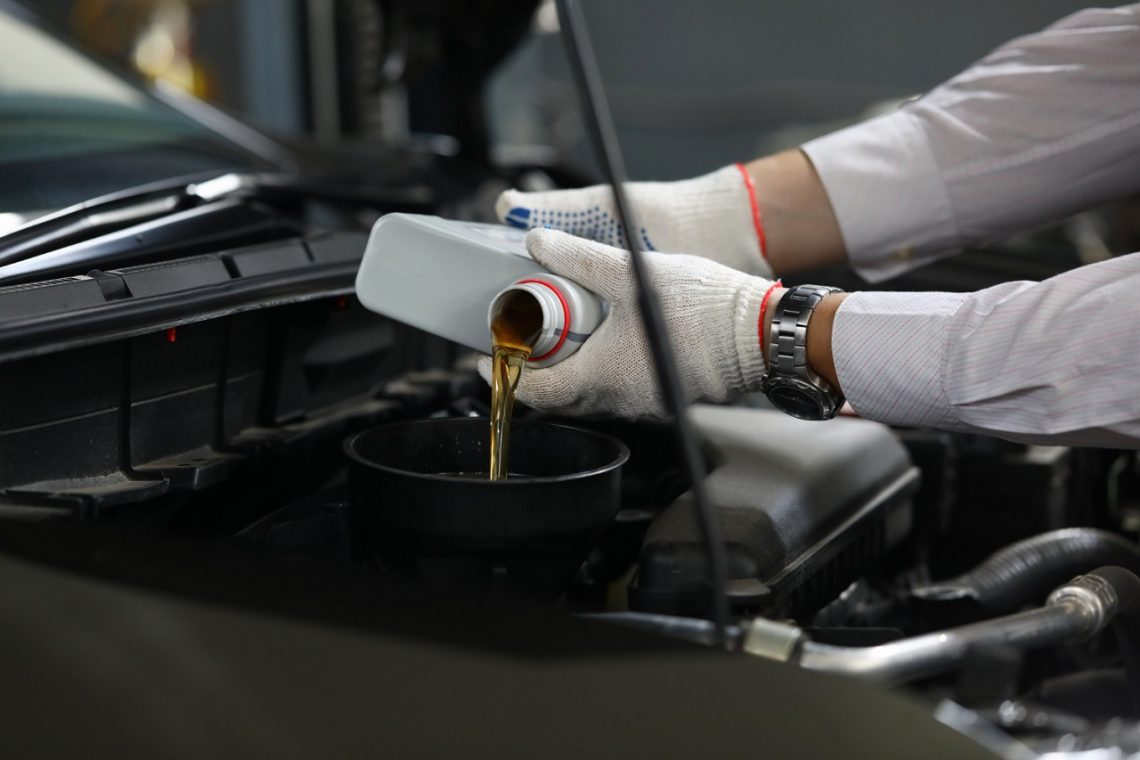
Engine oil is perhaps the most important fluid in your vehicle. Not only does it lubricate the engine’s moving parts, but it also helps to cool and clean them. Over time, however, engine oil breaks down and becomes less effective. This is why you should regularly check your oil level and, if necessary, change it according to the manufacturer’s recommendations.
Transmission Fluid
Transmission fluid is another vital fluid in your vehicle. It helps to keep the transmission’s gears lubricated and prevents them from grinding against each other. Like engine oil, transmission fluid breaks down over time and needs to be replaced periodically. If you notice any unusual noises coming from your transmission, or if the gears seem to be slipping, it’s a good indication that the fluid needs to be changed.
Brake Fluid
Brake fluid is yet another crucial fluid in your vehicle. It helps make sure that whenever you step on the brake pedal, they respond properly and effectively. As the vehicles are used, it is possible for the brake fluid to be contaminated with water, which can lead to corrosion and decreased performance. For this reason, it’s important to check the brake fluid regularly and flushed it if necessary.
Tips For Proper Fluid Management
There are a few simple steps you can take to ensure your fluids are properly managed:
1. Regularly check your fluid levels and top them off as needed. This will help to prevent any issues before they start.
2. Don’t wait until your vehicle is low on fluid to add more. Topping up regularly will help to extend the life of your fluids.
3. Make sure you use the correct type of fluid for your vehicle. Using the wrong type of fluid can lead to damage and decreased performance.
4. Have your fluids changed according to the manufacturer’s recommendations. This will help to keep them in top condition and prevent any issues down the road.
Disposing Of Old Fluids
Whenever you change your fluids, it’s important to dispose of the old ones properly. Old engine oil, for example, can be recycled and used to create new products. You can also take it to a recycling center or an oil change facility. Transmission fluid and brake fluid should be taken to a certified recycling center.